Why Indonesian Coconut Products Are in High Demand Internationally
Indonesia, the world’s second-largest coconut-producing country, has long been recognized for its vast coconut plantations and thriving coconut-based industry. With abundant natural resources, skilled local farmers, and a favorable tropical climate, Indonesia is well-positioned to supply the global market with high-quality coconut-derived products.
From coconut briquette charcoal and palm sugar to desiccated coconut, the country’s coconut exports continue to gain popularity around the world. But what makes Indonesian coconut products so attractive to international buyers? Here are the key reasons:
1. Abundant Natural Resources and Ideal Climate
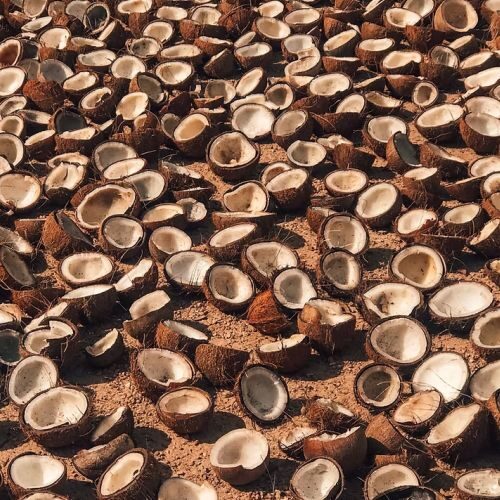
Indonesia’s geographic location and climate offer optimal conditions for coconut cultivation. With fertile volcanic soil, consistent rainfall, and warm temperatures throughout the year, coconut trees thrive naturally in Indonesia without the need for synthetic growth enhancers. This natural abundance allows for a continuous supply of high-quality coconuts, essential for meeting growing global demand.
The sustainability of supply is one of the key factors that attracts importers, especially those looking for reliable long-term partnerships.
2. High-Quality Raw Materials and Traditional Expertise
Most of the coconut products exported from Indonesia originate from handpicked, mature coconuts processed using a blend of traditional techniques and modern standards. Whether it’s extracting the sweet and mineral-rich sap for palm sugar, or sun-drying grated coconut for desiccated coconut, the process is deeply rooted in generations of local knowledge.
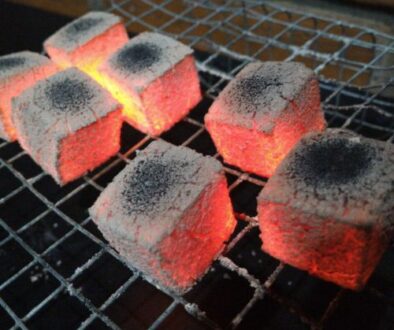
For instance, Indonesian coconut briquette charcoal is made from natural coconut shell waste and compressed without chemical additives—making it a favorite for BBQ and shisha markets in Europe, the Middle East, and the US due to its long burn time, low ash content, and eco-friendly nature.
3. Compliance with International Quality Standards
To compete in the global market, Indonesian exporters—including companies like PT. Thrive Coco Indonesia—have adopted strict quality control measures throughout the production process. From raw material sourcing to packaging, each step is monitored to ensure hygiene, consistency, and compliance with international standards such as:
- HACCP (Hazard Analysis and Critical Control Points)
- Halal certification (important for Muslim-majority countries)
- Organic certification (for markets like the US, EU, and Australia)
This commitment to quality helps build trust with international buyers and ensures repeat business.
4. Versatile Coconut Product Range
One of the reasons Indonesian coconut products are in such high demand is their versatility. Here are three major examples:
- Coconut Briquette Charcoal – Used globally for grilling, shisha/hookah, and heating. It’s preferred over wood charcoal due to its longer burn time, lower smoke, and minimal environmental impact.
- Palm Sugar – A healthier, low-glycemic alternative to white sugar, increasingly popular in the health food industry and natural sweetener markets.
- Desiccated Coconut – Widely used in the bakery, confectionery, and culinary industries around the world for its rich flavor and long shelf life.
This wide variety allows Indonesian coconut suppliers to tap into multiple industries including food, beverage, energy, wellness, and even cosmetics.
5. Competitive Pricing and Export Efficiency
Compared to many other countries, Indonesia offers competitive pricing for bulk coconut products due to the abundance of raw materials and relatively low production costs. This makes it easier for buyers to maintain healthy profit margins while sourcing premium products.
Moreover, the country has well-established logistics and port infrastructure that supports large-scale export activities. Companies like PT. Thrive Coco Indonesia ensure professional handling, timely documentation, and reliable shipment to various parts of the world—providing peace of mind to international clients.
6. Sustainability and Eco-Conscious Practices
With rising global awareness of environmental issues, Indonesian coconut suppliers have also begun to adopt eco-friendly practices. For example, coconut shell charcoal briquettes are made from what would otherwise be agricultural waste, creating a sustainable product with a lower carbon footprint.
In addition, many smallholder farmers in Indonesia follow organic farming methods, avoiding harmful pesticides and synthetic fertilizers. This appeals to environmentally conscious consumers and businesses around the world looking to support sustainable supply chains.
The growing international demand for Indonesian coconut products is no coincidence. It’s the result of a powerful combination of natural resources, traditional expertise, modern production standards, and a commitment to sustainability. From the remote islands of Indonesia to kitchens and lounges across the globe, coconut products continue to bridge cultures, industries, and consumer needs.
For importers and businesses looking for high-quality coconut-based products, PT. Thrive Coco Indonesia stands as a trusted partner—delivering excellence, reliability, and the natural goodness of Indonesia in every shipment.